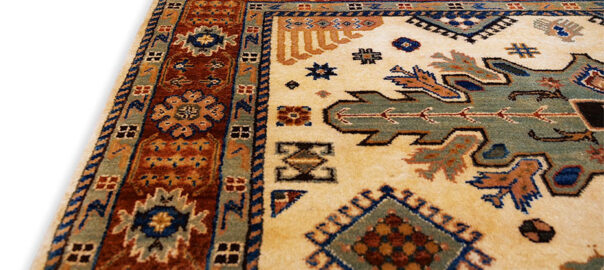
Oriental rugs are more than décor; they are intricate works of art that represent centuries of tradition and craftsmanship. With hand-knotted designs, natural dyes, and high-quality wool or silk fibers, these rugs are both beautiful and durable. However, time, foot traffic, and environmental factors can lead to damage that requires professional care. When it comes to Oriental rug restoration in Fallbrook, there are some repairs that stand out as particularly challenging—but with the right expertise, even the most delicate issues can be resolved.
Restoring Torn or Damaged Foundations
The foundation of an Oriental rug—the warp and weft threads—acts as the skeleton that holds the design together. When this base is torn or weakened, it threatens the rug’s entire structure. Repairing the foundation requires careful reweaving using techniques that match the original craftsmanship. Skilled rug experts use traditional methods and hand tools to replicate the knot patterns so the repair is invisible. Without professional Oriental rug restoration in Fallbrook, damage like this could easily spread, making the rug unsalvageable.
Matching Natural Dyes and Colors
One of the most complex aspects of rug restoration is preserving or recreating natural dyes. Oriental rugs often feature plant-based or mineral dyes, each with unique aging characteristics. Over time, sunlight, spills, or improper rug cleaning can cause fading or bleeding. To correct this, rug specialists carefully match replacement fibers to the original hues, ensuring that repairs blend seamlessly. Whether it’s restoring a deep indigo or reviving soft reds, accurate dye matching is a critical part of Oriental rug restoration in Fallbrook.
Repairing Fringes and Edges
Fringes may seem like simple decorative tassels, but they’re actually extensions of the rug’s foundation. Once they begin to fray or unravel, the rug itself starts to come apart. Repairing fringes involves re-knotting, reinforcing, or, in some cases, replacing them with hand-spun materials that mimic the original. Similarly, edges that wear down from foot traffic must be secured with binding stitches to prevent unraveling. These detailed tasks are painstaking but essential for long-term rug preservation.
Correcting Pile Loss in High-Traffic Areas
The pile is what gives Oriental rugs their softness and visual depth. Over years of use, especially in high-traffic areas, the pile can thin, leaving bald patches. Restoring the pile involves re-knotting fibers one by one, a meticulous process that demands patience and precision. For rugs with complex tribal or floral patterns, this task requires both technical skill and an artistic eye.
Why Professional Expertise Matters
These challenging repairs illustrate why rug restoration should never be left to DIY methods or inexperienced cleaners. Professional Oriental rug restoration in Fallbrook requires knowledge of weaving traditions, access to natural materials, and years of training in specialized techniques. Rug experts approach each repair not just as a job but as a way of preserving history.
If your Oriental rug has suffered damage—from frayed fringes to faded colors—don’t let the problem worsen. At Persian Rug Pros, we specialize in tackling even the most difficult repairs with the care and craftsmanship your rug deserves. Our team uses time-honored techniques to restore beauty, strength, and value.
Call us today at (760) 433-5500 or reach us through our contact page. Trust us with your rug, and we’ll ensure it continues to be a treasured centerpiece for generations to come.