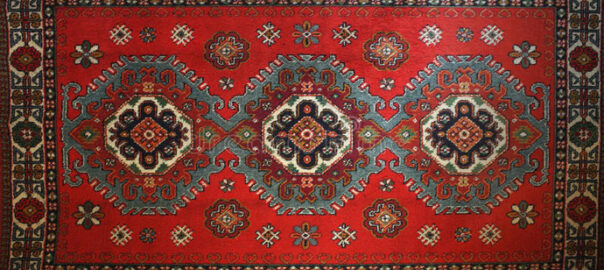
Afghan rugs are celebrated worldwide for their bold patterns, earthy colors, and expert craftsmanship. Handwoven using traditional techniques passed down through generations, these rugs often become treasured heirlooms. However, time, wear, and accidents can cause damage, requiring professional restoration. One of the most important — yet often overlooked — factors in successful Afghan rug restoration in Carlsbad is the rug’s knot density.
Understanding how knot density impacts the restoration process can help rug owners appreciate the complexity of the work involved and make informed decisions when seeking repairs.
What Is Knot Density?
Knot density refers to the number of knots woven into a specific area of the rug, typically measured in knots per square inch (KPSI). This measurement reveals how fine or coarse a rug is. Afghan rugs often have medium to high knot densities, depending on the region and the weaving tradition used.
Higher knot density generally means more detailed patterns and finer craftsmanship. However, it also affects how a rug wears down and how it can be repaired.
Why Knot Density Matters in Restoration
When it comes to Afghan rug restoration in Carlsbad, knot density directly influences the techniques a professional will use. Here’s how:
1. Precision in Reweaving
For areas with damage or missing fibers, restoration involves reweaving individual knots to match the original design. The higher the knot density, the more intricate this process becomes. Skilled artisans must use fine needles and exacting techniques to replicate each knot precisely.
Restoring a rug with a dense weave requires more time, attention, and experience than repairing a rug with a looser weave. That’s why only highly trained professionals can handle detailed Afghan rug restoration in Carlsbad with confidence.
2. Color Matching and Pattern Accuracy
The compact knotting in finer Afghan rugs means that even a small damaged section can include numerous tiny details and color variations. Matching these elements is crucial to ensure seamless restoration. An experienced restorer must carefully analyze the surrounding knots to replicate the exact pattern and color flow, ensuring the repaired area blends in naturally.
3. Fringe and Edge Repair
Knot density also affects how the edges and fringes wear down. In denser rugs, the edges are tightly woven and take longer to unravel, but once they do, the repair process becomes more complex. Restorers must not only fix the damaged edge but also preserve the tension and balance of the surrounding knots to maintain the rug’s shape and durability.
Common Causes of Damage
Regardless of density, Afghan rugs are susceptible to common types of damage, including:
- Wear from foot traffic
- Water or moisture exposure
- Pet stains or chewing
- Moth or insect infestation
- Improper vacuuming or storage
Knot density can determine how quickly a rug shows signs of wear and how durable it will be over time. High-density rugs may retain their patterns longer but require meticulous work to repair.
Choosing the Right Expert for Afghan Rug Restoration in Carlsbad
Given the skill and precision required, it’s essential to work with professionals who specialize in Afghan rugs and understand the cultural and structural nuances of each piece. Not all rug repair services are equipped to handle high-knot-density restoration work.
A qualified expert will inspect your rug, assess its knot density, fiber type, and design complexity, and provide a detailed restoration plan. They will also use traditional hand techniques and natural dyes to ensure authenticity and longevity.
Whether your rug has suffered from years of use or a sudden accident, expert Afghan rug restoration in Carlsbad can revive its beauty and value. Trust experienced artisans who understand the art of Afghan weaving and the importance of knot density in every repair. Contact Persian Rug Pros today at (760) 433-5500 or reach out through their convenient online form to schedule a professional evaluation.