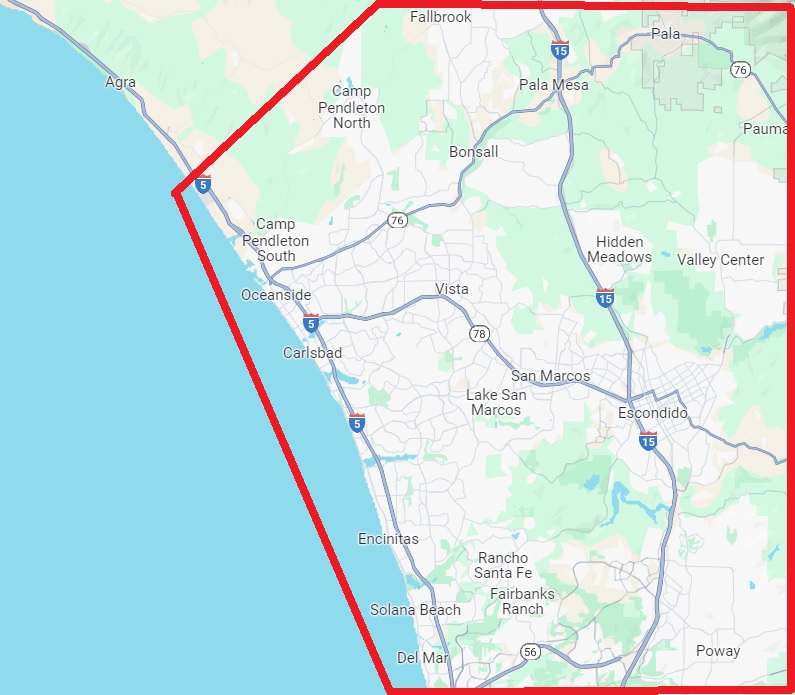
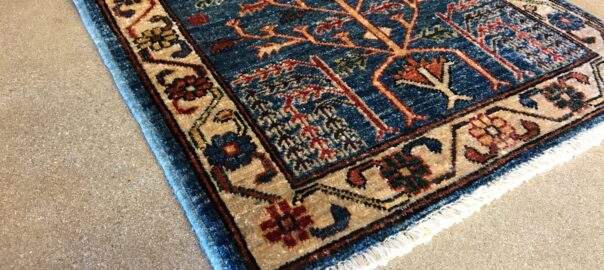
Afghan rugs are prized for their intricate patterns, bold colors, and centuries-old weaving traditions. Woven with care and cultural meaning, these rugs often become cherished family heirlooms. But like all textiles, they can suffer from wear, fading, or accidental damage. That’s where professional restoration comes in. When it comes to Afghan rug restoration in Solana Beach, one of the most important factors in maintaining authenticity is the use of natural materials.
Why Afghan Rugs Depend on Natural Materials
Traditional Afghan rugs are typically woven from wool, cotton, or sometimes silk. Their colors are created with natural dyes extracted from plants, minerals, and insects. This connection to natural materials is what gives Afghan rugs their unique warmth and durability.
When restoring these rugs, using anything synthetic—whether fibers, dyes, or adhesives—risks compromising both the quality and cultural integrity of the piece. Natural materials ensure that the repaired sections seamlessly blend with the original weave and continue to age gracefully over time.
Matching Fibers for Lasting Repairs
One of the core tasks in rug restoration is replacing worn or damaged fibers. For Afghan rugs, this almost always means sourcing wool with a texture, thickness, and luster that closely matches the original. Wool has a resilience and elasticity that synthetic fibers can’t replicate. Professional rug experts carefully select and hand-spin wool to replicate the look and feel of the rug’s original fibers.
This precision matters: mismatched fibers not only look out of place but can weaken the rug’s overall structure. By sticking with natural materials, restorers preserve both strength and authenticity.
Preserving Natural Dyes
The vibrant reds, earthy browns, and deep blues seen in Afghan rugs often come from natural dye sources such as madder root, indigo, and pomegranate rind. These dyes age beautifully, developing depth and character over decades.
During restoration, professionals use natural dyes to match faded or worn areas. Synthetic colors might initially look similar, but they age differently and can clash over time. By working with plant-based or mineral dyes, restorers ensure that the rug’s aesthetic harmony continues for generations.
Eco-Friendly and Safe Practices
Another benefit of using natural materials in Afghan rug restoration in Solana Beach is their eco-friendly and non-toxic nature. Natural fibers and dyes are safer for your home environment and kinder to the planet. This aligns with the growing interest in sustainable practices, allowing homeowners to care for their rugs without introducing harsh chemicals into their living spaces.
Restoration Beyond the Aesthetic
Rug restoration is not only about looks—it’s about cultural preservation. Afghan rugs carry history and symbolism in every knot. By restoring them with traditional, natural materials, professionals respect and protect the heritage behind each piece. This approach ensures that your rug remains both a functional home accessory and a meaningful artifact of global craftsmanship.
Trust Professionals with Cultural Expertise
Repairing or restoring an Afghan rug is a task that demands skill, patience, and cultural understanding. Professionals trained in rug restoration know how to balance tradition with modern care techniques. From reweaving worn sections to repairing frayed edges and reviving faded patterns, the right experts use natural materials to bring your rug back to life—without compromising its authenticity.
Call to Action
If your Afghan rug is showing signs of wear, fading, or damage, now is the time to give it the professional care it deserves. At Persian Rug Pros, we specialize in Afghan rug restoration in Solana Beach, using only the highest quality natural fibers and dyes to ensure authentic results. Our team of rug experts is committed to preserving both the beauty and the cultural heritage of your treasured pieces. Call us today at (760) 433-5500, or reach out through our contact page to schedule a consultation and bring your rug back to life.